Lifestyle Trends Shaping Hospitality in 2026
As we move further into 2026, guest expectations continue to evolve, not just in terms of where they travel, but how and why they choose a destination or experience. The modern traveller is increasingly guided by lifestyle values: wellness, sustainability, personal growth, conscious consumption, and meaningful experiences. For hotels, restaurants and venues, understanding these shifts is not optional; it’s critical for creating offers that resonate and convert.
Below, we’ll explore the most prominent lifestyle trends shaping hospitality in 2026 and what they mean for your business.
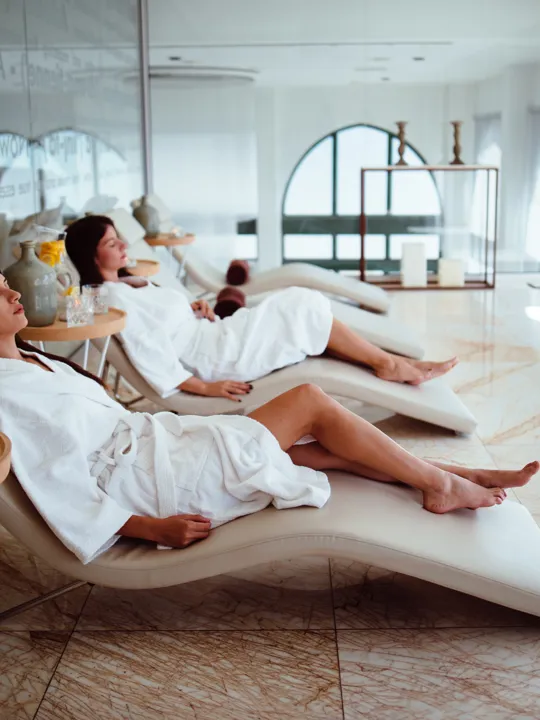
Wellness Travel is Mainstream
Wellness is no longer a niche luxury reserved for spas and retreat centres. It’s become an essential part of travel planning and guest expectations. According to hospitality trend analysis, nearly half of all travellers (44%) plan to incorporate more wellness or mindfulness elements into their trips in 2026, with 71% agreeing that time away from technology and work is important for personal wellbeing.
Classic spa services remain enormously popular, with 75% of wellness travellers choosing them for relaxation, but wellness now extends beyond the spa to include nature immersion, fitness, mindfulness and more holistic experiences.
For hospitality brands, this means embedding wellness across the guest journey, from early-morning yoga sessions and personalised fitness options to dedicated relaxation spaces and curated mindfulness experiences.
Our advice:
As wellness becomes a core travel motivator rather than a luxury add-on, hotels should move beyond positioning it as a single facility and instead market it as a thread that runs through the entire stay. Wellness-led experiences should be packaged clearly and communicated consistently, from reset and restore breaks to digital detox stays, sleep-focused experiences and nature-led escapes.
On social media, lead with feeling rather than facilities: show calm mornings, slow moments, outdoor spaces and real guests switching off, rather than generic spa imagery alone. Campaigns should speak to balance, recovery and wellbeing mindsets, not just treatments or rooms, while landing pages and booking journeys should make wellness offers easy to understand and effortless to book. Hotels that embed wellness into both their product and their marketing, rather than treating it as a bolt-on, will be best placed to convert this growing demand into long-term loyalty and revenue.
Sustainability is More Than a “Nice-to-Have”
The sustainability imperative has shifted from an optional add-on to a baseline expectation for travellers. Across multiple independent reports, large majorities of travellers say they want sustainable options: 74% want brands to demonstrate a real commitment to sustainability, 80% of global travellers consider sustainable travel important, and 43% would be willing to pay more for sustainable travel options.
Furthermore, properties with sustainability certifications can enjoy measurable commercial benefits; eco-certified hotels experience up to a 15% revenue increase compared to non-certified properties.
Our advice:
For hospitality in 2026, sustainability isn’t just about reducing waste; it’s about transparency, eco-credentials, local sourcing, and embedding environmental responsibility into the guest experience. This trend influences bookings, guest satisfaction and loyalty alike.
Solo Travel Reflects a Deeper Purpose
Solo travel continues to grow rapidly and is no longer synonymous with backpackers or gap-year students alone. Research shows that the solo travel market is projected to reach over USD 1 trillion by 2030, driven in part by a growing desire for personal wellbeing, self-discovery and mental renewal. Additional data suggests that 85% of solo travellers say their trips improve their mental health, and 67% prioritise authentic local experiences, illustrating how solo journeys are increasingly tied to personal growth rather than simply ticking destinations off a list.
For hotels and hospitality venues, this means designing experiences that support independence and community, from social lounges and solo-friendly programming to safety-focused amenities and curated itineraries that balance solitude with connection.

Veganism and Plant-Focused Travel Influence F&B Choices
Plant-based travel is a huge lifestyle influence shaping hospitality menus worldwide. Although precise 2026 vegan travel figures are still emerging, available research shows that vegan populations are growing globally and that travellers increasingly consider plant-centric choices when planning trips and dining. Trends in vegan travel have driven both demand for vegan-friendly restaurants and the inclusion of plant-based options across hospitality F&B menus.
Our advice:
As vegan and flexitarian diets become more widespread, hospitality brands that adapt menus, highlight local plant-based ingredients, and curate dedicated experiences (such as vegan cooking classes or plant-forward tasting menus) will increasingly differentiate themselves.
Mindful and Slow Travel Continues to Spread
Beyond wellness and sustainability, a broader cultural shift toward slow travel and mindful experiences is gaining traction. Echoing wellness and solo travel patterns, travellers are increasingly drawn to nature, quiet retreats, cultural immersion and meaningful connection over rushed itineraries and ticking boxes. Trends such as silent travel, restorative nature immersion, and digital detoxes are growing in popularity, especially among those seeking a deeper connection with place and self.
This has implications for hospitality offerings: venues that emphasise slow moments (whether forest bathing, stargazing programmes, riverside strolls or sound-free retreats) align with guests’ desire to recharge rather than just ‘holiday’.
What This Means for Hospitality in 2026
Taken together, these trends paint a clear picture how guests in 2026 want more purposeful travel. They are seeking experiences that enrich wellbeing, reflect their values, deepen personal growth and leave a positive imprint on the places they visit.
For hospitality brands, this demands a shift from transactional thinking (rooms sold, tables filled, covers confirmed) to experiential design (moments crafted, lifestyles supported). Wellness should be embedded into the overall experience, sustainability should be transparent across what you offer and why you offer it, solo travellers should be welcomed with things designed for them, and menus and services should reflect broader lifestyle choices such as plant-based eating and mindful living.
The hospitality brands that embrace these trends, not by chasing fads, but by aligning offerings with genuine guest values, will be the ones that win loyalty, drive repeat revenue, and command premium positioning in an increasingly purposeful travel market.
Get in Touch
Wellness-led travel is by no means a passing trend, it’s shaping how guests choose where to stay, relax and recharge. As expectations continue to evolve, the hotels that succeed will be the ones that communicate these experiences clearly, authentically and consistently across every touchpoint.
If you’d like to explore how wellness, lifestyle trends and experience-led marketing can work harder for your hotel, our team would love to help. Whether you’re looking for campaign ideas, content strategy, social media support or a more tailored approach to positioning your offer, get in touch to start the conversation. We’re always happy to share insight, ideas and practical guidance to help turn emerging trends into meaningful results.