The History of Veganuary
What Is Veganuary?
Every January, millions of people around the world take part in Veganuary: a month-long challenge encouraging participants to adopt a fully plant-based lifestyle. The initial Veganuary began as a small awareness campaign that has grown into a global movement focused on health, sustainability, and ethical living.
For many of those who get involved, Veganuary offers a reset after the indulgence of December. But it’s also become a major driver of cultural and consumer change, reshaping everything from everyday diets to hospitality menus and retail trends.

How It All Began
Veganuary was founded in the UK in 2014 by Jane Land and Matthew Glover, who wanted to make veganism more accessible, appealing, and achievable for the everyday consumer. Their goal was to provide guidance, recipes, and support to help people try a plant-based lifestyle for 31 days: without judgment, pressure, or extreme messaging.
In its first year, around 3,000 people officially signed up. The charity relied heavily on grassroots marketing, online communities, and public education, and the response was overwhelmingly positive. Participants reported feeling healthier, more energetic, and more environmentally aware as a result.
2014-2025: The Rise of Veganuary
Over the last decade, Veganuary has transformed into one of the world’s fastest-growing lifestyle movements. Participation has soared from a few thousand to millions of people across nearly every continent.
Key milestones in Veganuary’s growth:
-
2017: Sign-ups surpass 50,000 for the first time.
-
2019: Major UK retailers, including Tesco, Sainsbury’s and Marks & Spencer, launch dedicated Veganuary ranges.
-
2020: A record-breaking 400,000 participants, with over 600 brands, chains, and restaurants getting involved.
-
2023: Sign-ups reach over 700,000, with unofficial participation estimated in the millions globally.
-
2024-2025: Veganuary becomes a mainstream fixture in hospitality calendars, influencing menus, marketing strategies, and product development worldwide.
Catalysts Behind Its Growth
Environmental awareness
Over the past decade, environmental concerns have shifted from fringe conversations to mainstream priorities. As climate change became a defining topic in global media and politics, more people began exploring ways to reduce their personal carbon footprint. The connection between food systems and emissions became widely understood, and for many, adopting a plant-based diet, even temporarily, felt like an achievable, meaningful way to contribute. Veganuary tapped directly into this awareness, offering a clear, time-bound action that aligned with growing environmental consciousness.
Celebrity influence
High-profile endorsements significantly accelerated Veganuary’s rise. Athletes championed plant-based diets for performance; actors and musicians promoted ethical and environmental benefits; influencers documented their month-long vegan journeys online. Seeing familiar faces embrace the challenge helped normalise plant-based eating, making it feel aspirational rather than alternative. These voices amplified the message far beyond the charity’s original community, bringing Veganuary into the mainstream.
Health and wellness trends
The 2010s and early 2020s saw an explosion in wellness culture, from functional foods to gut health, sleep optimisation to mindful living. Vegan diets aligned naturally with these trends, often associated with improved energy, better digestion, and overall vitality. As consumers became more aware of how food affects wellbeing, Veganuary provided an accessible opportunity to experiment with a plant-based lifestyle as part of a broader health reset.
Industry innovation
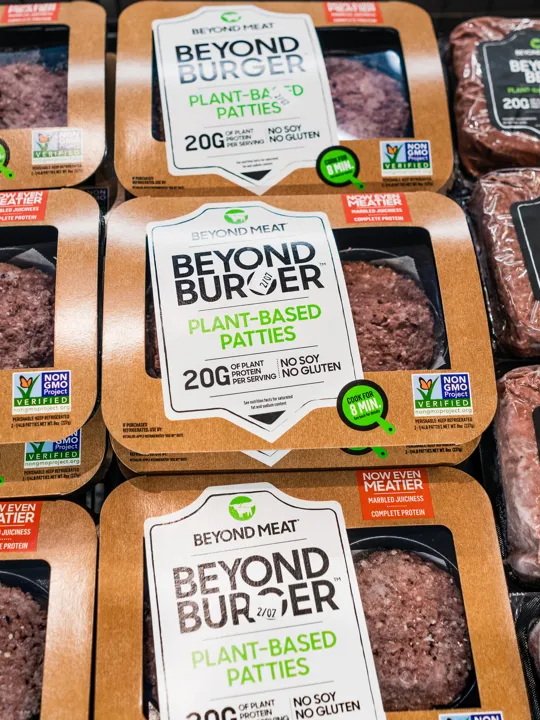
The rapid development of high-quality plant-based products played a huge role in Veganuary’s expansion. Brands like Beyond Meat, Oatly, Impossible Foods, and countless independent innovators made vegan food exciting, flavourful, and widely available. Restaurants, supermarkets, and fast-food chains responded by launching creative plant-based ranges every January, turning Veganuary into a commercial moment as well as a personal challenge. The quality and accessibility of vegan alternatives removed barriers that once made plant-based eating feel restrictive.
Social media
Platforms like Instagram, YouTube, and TikTok helped propel Veganuary into a viral cultural moment. Recipe creators shared vibrant plant-based dishes; challenges gained traction; “What I eat in a day” content normalised vegan eating for millions. Social media has helped turn Veganuary into a community experience where people shared progress, swapped ideas, and inspired each other. This digital momentum made the movement feel fun, collaborative, and far more visible.
Consumer Behaviour Shifts Beyond January
While Veganuary is absolutely a powerful annual campaign, its influence extends far beyond the month itself. The initial short-term dietary experiment has helped normalise a broader cultural movement towards flexitarianism, with many people adopting plant-based habits long after January ends. The increasing awareness around health, sustainability, and ethical food choices means that diners are not only more open to plant-based dishes, but they also actively expect them.
This shift is particularly strong among younger generations. Gen Z and Millennials, in particular, are driving demand for menus that feel conscious, inclusive, and diverse. For these audiences, plant-based dining isn’t a niche request; it’s part of a wider lifestyle focused on wellbeing, balance, and environmental responsibility. Even those who don’t identify as vegan often choose plant-based options for reasons ranging from gut health to carbon footprint.
Importantly, consumers today are seeking value beyond price, they’re drawn to venues that reflect their values. Offering authentic vegan options signals creativity, awareness, and inclusivity, helping hospitality brands strengthen their identity and appeal. As a result, Veganuary’s momentum has contributed to a long-term shift in dining expectations, influencing purchasing decisions across seasons rather than just in January.
What Veganuary Means for Hospitality Going Forward
From a small UK challenge in 2014 to a global movement, Veganuary has become far more than a January experiment. For hospitality businesses, the takeaway is simple: Veganuary is only gaining more momentum. With more guests leaning into plant-based or flexitarian habits, there’s a real opportunity to elevate what you offer and cater to demands throughout the year. Today’s diners want thoughtful, exciting vegan options that feel just as special as everything else on the menu, and they notice when brands get it right.
Looking ahead, the venues that thrive will be the ones treating Veganuary as a necessity. Whether it’s developing standout plant-based dishes, refreshing breakfast and room-service menus, or weaving sustainability into your brand story, investing in this shift now will pay off well beyond January. Remember, Veganuary lasts 31 days, but its impact is year-round. Embrace the movement, stay curious, and use it as a chance to connect with guests in a way that feels modern, inclusive, and forward-thinking.
Alternatively, for some assistance with your campaigns, marketing strategy, or just general advice, please get in touch today and discuss your goals with a member of the team.
Get in Touch
We hope you found our blog informative! If you'd like to discuss any of your strategies, be it seasonal, annual or beyond, please get in touch, we'd love to hear from you!