Valentine’s Day Marketing Tips for Hotels & Restaurants
Valentine’s Day remains one of the most commercially important dates in February, as well as the entire hospitality calendar. Year after year, it drives spikes in dining reservations, overnight stays, experience gifting and premium spend. But while the day itself is familiar, the way guests approach it continues to evolve, and thus, so should your marketing strategy.
For hotels and restaurants, Valentine’s Day is no longer just about couples and candlelit tables. It’s about experiences, escapism, emotional connection and, crucially, convenience. Getting this right means understanding why the day matters, how guests behave around it, and how to position your offer in a crowded, competitive landscape.

Why Do We Celebrate Valentine’s Day?
Valentine’s Day has its roots in ancient Roman and early Christian traditions, evolving over centuries into the romantic celebration we know today. Its earliest influence comes from Lupercalia, a mid-February Roman festival linked to fertility and renewal. As Christianity spread, the date became associated with St Valentine, a martyr believed to have secretly performed marriages in defiance of Roman law, reinforcing themes of love and commitment. By the Middle Ages, writers such as Geoffrey Chaucer connected 14 February with courtly love and romance, and the exchange of handwritten notes soon followed. Over time, these traditions developed into the modern celebration of connection, emotion and shared experiences, values that still underpin why Valentine’s Day resonates so strongly today.
What Guests Expect On Valentine’s Day
Modern Valentine’s behaviour tends to follow a few clear patterns:
-
Experience-led spending: Dining, short breaks, spa stays and curated experiences outperform traditional gifting.
-
Last-minute decision making: Many bookings happen in the final two to three weeks, particularly for restaurants.
-
Broader audiences: It’s no longer just couples; guests today expect events that surround Galentine’s (13th of February), self-care stays, and relaxed dining with friends.
-
Higher expectations: Guests expect quality, atmosphere and seamless booking, not gimmicks or cheap rose petals scattered on a table with the normal dining experience.
Understanding these behaviours will help your hotel or restaurant shape offers that feel relevant and desired, rather than forced to meet the demands of the day.
Valentine’s Day Marketing Tips for Hotels
1. Package the experience, not just the room
Guests want their Valentine’s stay to feel complete. Instead of selling just “a night away,” hotels should bundle in other elements that enrich the overall experience and reduce planning friction:
-
Dinner or breakfast included
-
Spa treatments or late checkout
-
A welcome drink or special in-room touches, such as chocolates or Prosecco on arrival
This increases perceived value without relying on heavy discounting, with hotel packages shown to boost total guest spend by up to 30% compared with room-only bookings.
2. Start messaging early and extend it
Valentine’s demand doesn’t peak on one day alone, and for a lot of people, attention to the day doesn’t even occur until the day itself. In fact, research suggests that 50% of all bookings for the most romantic day of the year were made in the three days before Valentine’s Day (from 11th-14th February). Plus, a whopping 1 in 5 people book their table on the day itself.
This shows that, should someone forget the day in general, having longer promotions and offers could capture more footfall and bookings. To get the most out of the Valentine’s hype, promote:
-
Valentine’s weekends
-
Midweek romantic escapes
-
Post-Valentine’s “unwind” stays
-
Discounts for longer escapes
This spreads occupancy and captures guests who want to avoid the 14th February rush.
3. Make the booking journey effortless
Romantic intent can disappear quickly if booking feels complicated. Ensure:
-
Mobile booking is smooth
-
Packages are clearly explained
-
Availability is easy to see
Convenience is often the deciding factor, especially for late planners.
4. Use imagery that sells the feeling
Focus less on hearts and clichés, and more on:
-
Warm lighting
-
Intimate spaces
-
Laughter together
-
Subtle intimacy
-
Spa and dining moments
-
Calm, luxurious details
Guests buy into the atmosphere you create first.
Valentine’s Day Marketing Tips for Restaurants
1. Lead with set menus but keep them flexible
Set menus remain popular for Valentine’s dining because they remove decision stress and can often feel like you’re paying for something more premium, if presented correctly. OpenTable data shows that set menus and prix-fixe dining experiences consistently deliver higher spend per head than à la carte dining, particularly on high-demand dates like Valentine’s Day and anniversaries, due to premium positioning and reduced price sensitivity.
To improve conversion:
-
Offer clear pricing
-
Create a beautifully designed menu to increase value perception
-
Allow pre-ordering
-
Cater clearly for dietary needs
Flexibility builds trust and reduces friction.
2. Think beyond “one night only”
As mentioned above, interest for Valentine’s Day can spike early, or last minute. To capture the most Valentine’s footfall and bookings, your offers need to be limited beyond just one service. Consider:
-
Valentine’s Week menus
-
Early-evening or late-night sittings
-
Galentine’s dining experiences and brunches
This gives you the best chance to maximises covers while still appealing to a wider audience.
3. Sell the atmosphere as much as the food
Guests are choosing where to dine based on how it feels, not just what’s on the plate. Showcase:
-
Table layouts
-
Lighting and décor
-
Bar areas and cocktails
48% of diners say “photography opportunities” are a crucial factor when choosing where to dine. Your visuals should answer the question: Would I want to be there?
4. Make it easy to book and easy to share
53% of users abandon a booking journey if a mobile site takes longer than three seconds to load, meaning slow or unclear booking paths actively cost businesses bookings. Thus, clear calls to action, simple booking links and strong social visibility are essential. Valentine’s decisions are often influenced by what people see online, especially in the final weeks, so make it as easy as possible for your guests to book what they see.
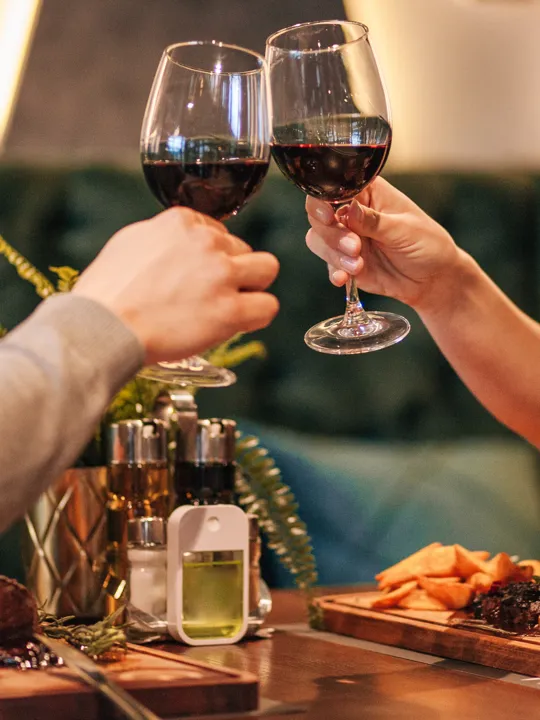
Marketing for Valentine’s Day
At its core, Valentine’s Day is about connection, effort and experience, and we know that guests approach it with higher expectations than almost any other date in the calendar. They want experiences that feel considered, easy to book and genuinely special, whether that’s a romantic overnight stay, a beautifully paced dinner, or a relaxed celebration with friends. Quality, atmosphere and convenience consistently outweigh gimmicks, and businesses that recognise this are best placed to convert interest into bookings.
At Cab Hospitality, we help hotels and restaurants turn seasonal moments like Valentine’s Day into meaningful commercial opportunities. From experience-led packaging and conversion-focused websites to campaign planning, creative content and booking journey optimisation, we know how to attract the right guests, at the right time, with the right message. Valentine’s isn’t just about filling one night, it’s about building momentum, protecting rate, and creating experiences guests remember long after the day itself.
Get in Touch
If you’d like support shaping your Valentine’s strategy, refining your offers, or improving how your business shows up online during key seasonal moments, get in touch with our team. We’d love to talk through your goals and help you get more from Valentine’s Day, and every opportunity that follows.